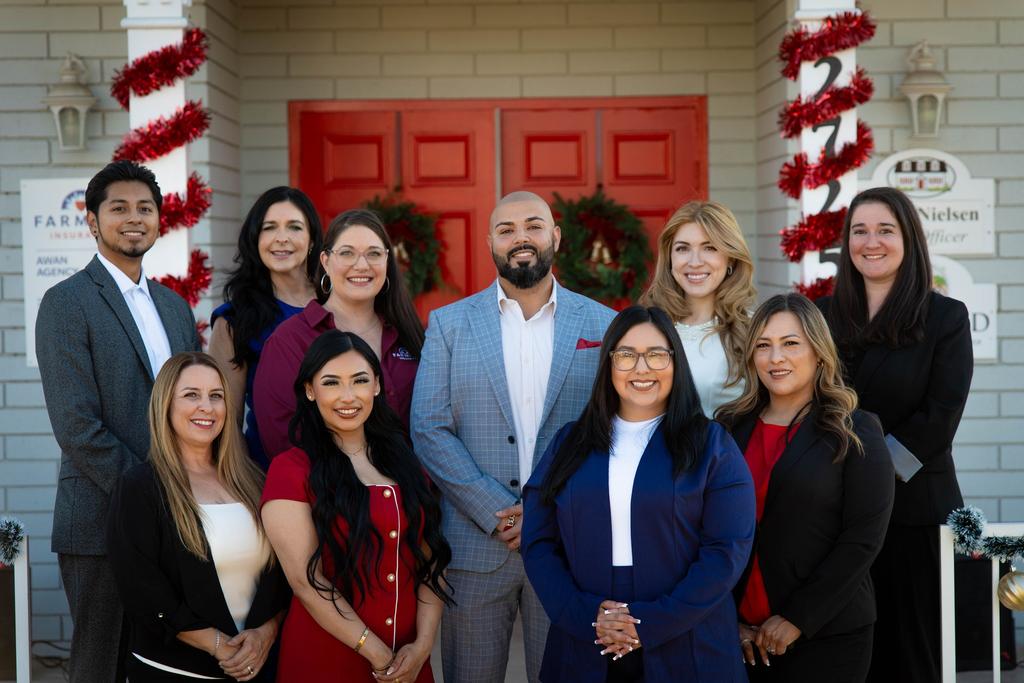
 By the Awan Insurance Team · Reviewed by Shahbaz Awan, Licensed California Insurance Agent (CA Lic #0H95098)
SR-22 insurance in California is a DMV proof-of-insurance certificate, not a separate policy. Here's who needs it, how long California requires it, and what happens if it lapses.
SR-22 insurance in California is a regular auto liability policy whose insurer files a proof-of-insurance certificate with the DMV. Anyone who needs to reinstate a license after a DUI, an accident while uninsured, or most other suspensions and revocations must carry one. The DMV says you'll usually keep it on file for three years from the first date you file. If the policy cancels, your insurer must notify the DMV, and your license is suspended again until new proof is filed.
If the DMV just told you that you need an SR-22, you're probably picturing a special, expensive kind of insurance with its own rules. It isn't. An SR-22 in California is a one-page certificate your insurer sends the DMV, and the policy behind it is ordinary liability coverage. What makes it feel complicated is everything around it: which violations trigger it, when the three-year clock actually starts, what happens if a payment slips, and whether you can satisfy it without owning a car. Here's how it works, with the DMV's own wording where it matters.
What Is an SR-22 in California?
An SR-22 is a certificate your insurance company files with the California DMV proving you carry at least the state's minimum liability coverage — it is a form attached to a policy, not a separate kind of insurance.
The DMV's own name for it is the California Insurance Proof Certificate (form SR 22). "SR-22 insurance" just means an ordinary auto liability policy whose insurer vouches for it to the DMV. Vehicle Code section 16431 lets a certificate from any insurer authorized to do business in California serve as your proof of financial responsibility.
The policy underneath has to meet today's minimums: $30,000 for injury or death to one person, $60,000 for more than one person and $15,000 for property damage (Source: California DMV Driver Handbook →).
Why does the state bother? The SR-22 turns your insurer into a monitor for a driver who has already had a serious violation: if the policy ends, the insurer has to tell the DMV. That mechanism explains every rule that follows.
One thing people get wrong: several guides still list California's minimums as 15/30/5. Those limits were replaced for policies issued or renewed on or after January 1, 2025, so a policy built to the old numbers would not support a valid filing today.
Who Needs an SR-22 in California?
You need an SR-22 in California when the DMV makes proof of insurance a condition of keeping or getting back your license — most often after a DUI, an accident while uninsured, or any suspension or revocation you're reinstating from.
The DMV handbook says it directly: at the end of a suspension or revocation, you may apply for a replacement license, and "you must show proof of financial responsibility (such as SR 22/SR 1P)." So the list of triggers is broader than most people expect.
DUI suspension or revocation
Reinstating after a DMV Admin Per Se action or a DUI conviction requires proof on file plus the reissue fee. This is the most common reason we file.
Accident while uninsured
A reportable crash with no insurance can bring a suspension of up to four years. Filing and keeping an SR-22 is how you get the license back early.
Negligent operator points
Four points in 12 months, six in 24 or eight in 36 can lead to probation, suspension or revocation. Coming back from a suspension calls for proof.
Other suspensions
Revocations for hit-and-run or reckless driving with injury, and court-ordered suspensions, end with the same proof requirement before a license is reissued.
Interlock-restricted license
Drivers who install an ignition interlock to keep driving during a DUI action must file an SR 22 as one of the conditions.
Out-of-state drivers
Nonresidents clearing a California action can file proof from their own state's insurer using DMV form DL 300, if it meets California's limits.
The uninsured-accident path usually starts with a form most people have never heard of. Under Vehicle Code section 16000, any driver involved in a collision that causes more than $1,000 in property damage, or injures or kills anyone, must report it to the DMV within 10 days on an SR-1 — no matter who was at fault. If that report shows no valid insurance, the suspension follows.
A ticket for driving without insurance, with no crash, is handled as a citation, and whether the DMV also asks for an SR-22 depends on what action it takes. Your DMV notice is the authority: it names the action, the dates and what you must file.
How Long Do You Need an SR-22 in California?
In California you usually need an SR-22 on file for three years, counted from the first date your insurer files it — not from the arrest, the conviction or the accident.
That wording comes from the DMV itself: you "will usually need to keep 'Proof' on file with Department of Motor Vehicles (DMV) for three years from the first date you file insurance" (Source: California DMV, form DL 300 →). "Usually" means your notice controls if it says otherwise. "First date you file" means the clock doesn't run while you wait — put off filing for eight months and you haven't started counting.
| Situation | What DMV requires first | How long proof stays on file |
|---|---|---|
| DUI suspension or revocation | Suspension served (or interlock restriction), $125 reissue fee, SR-22 filed | Usually 3 years from first filing |
| Accident while uninsured | At least one year of suspension, or a restricted license with a $250 penalty fee | 3 years; suspension returns if proof isn't kept |
| Negligent operator or other suspension | End of the suspension period, reissue fee, SR-22 filed | Usually 3 years — confirm on your notice |
The uninsured-accident rule has its own math. The DMV handbook says your license will be suspended for up to four years if you're in a collision without proper insurance, and you can get it back "during the last three years of the suspension" if you file an SR-22 and keep it for that three-year period.
Vehicle Code section 16072 sets the floor at one year of suspension, and lets the DMV instead restrict the license to driving for work, on the job or to take a child to school, if you file proof and pay a $250 penalty fee.
And when it ends: Vehicle Code section 16480 lets the DMV cancel your certificate after three years, on request or on its own. Don't drop the filing on the anniversary because you counted the months yourself. We confirm with the DMV that the requirement is over, then remove the filing — the policy itself carries on.
What Happens If Your SR-22 Lapses?
If your SR-22 policy cancels or lapses, your insurer must notify the DMV, and the DMV suspends your driving privilege again until new proof is filed.
Every certificate carries a promise that the DMV will be notified in writing within 10 days after a cancellation becomes final (Source: California Vehicle Code §16433 →). In the industry that notice is called an SR-26. Once the DMV has it, Vehicle Code section 16484 directs it to suspend your privilege and require new proof. A missed payment and a policy cancelled because you sold the car look identical from the DMV's side.
Does the three-year period start over? For uninsured-accident cases, section 16072 says the suspension is reinstated if you fail to keep proof for three years, and in practice a gap can restart or extend the requirement. The DMV doesn't publish one formula that covers every case, so after any lapse, get your new end date from the DMV rather than estimating it.
Most SR-22 lapses we see aren't people walking away from coverage — they're payment problems. Put the policy on autopay from an account you won't close, keep your mailing address current with the insurer, and if you switch companies, have the new SR-22 filed before the old policy ends. Vehicle Code section 16483 has the DMV cancel the old certificate once a replacement is accepted, so a short overlap is the safe way to move.
How Does an SR-22 Work After a DUI in California?
After a DUI in California, the SR-22 is one item on a reinstatement checklist that also includes the DMV reissue fee and, depending on the case, a DUI program and an ignition interlock.
A DUI runs on two tracks: the DMV's Administrative Per Se (APS) action against your license, and the court case. On the DMV side, your license "will be reinstated at the end of the suspension or revocation, provided you pay a $125 reissue fee to the DMV and you file proof of financial responsibility (insurance)" (Source: California DMV →). For the DMV hearing and the court case, talk to a DUI attorney — that's legal strategy, not an insurance question.
- Proof on file. An SR-22 from an insurer authorized in California, filed before the DMV will reissue the license.
- Every registered vehicle covered. After a DUI-related suspension or revocation (and a few other serious ones), Vehicle Code section 16431(b) requires the certificate to cover all vehicles registered to you. Vehicles in storage are exempt only if the plates and registration card are surrendered to the DMV in Sacramento.
- The reissue fee. $125 for a DUI-related action; the DMV notes it stays at $100 for drivers suspended under the under-21 Zero Tolerance law.
- Program enrollment, if you want an interlock license. The DMV asks for a Proof of Enrollment Certificate (DL 107) or a Notice of Completion before it issues an interlock-restricted license.
- An interlock, where it applies. Under the DMV's statewide ignition interlock program, which runs through December 31, 2032, injury-involved DUI offenders and repeat offenders must install one, and the restricted license requires an SR 22 (Source: California DMV IID program →).
The interlock is about the vehicle; the SR-22 is about your license. When both apply, tell us about the interlock on the first call so the right vehicle is on the policy.
Can You Get a Non-Owner SR-22 in California?
Yes — if you don't own a car, you can meet California's SR-22 requirement with an operator's (non-owner) policy, which covers your liability when you drive vehicles you don't own.
Vehicle Code section 16452 defines it: an operator's policy insures you for liability arising from your use of "any motor vehicle not owned by that person," and covers a newly bought car only for up to 10 days from the purchase date. It doesn't pay to fix the car you're driving — it's liability only — which is a big part of why it usually costs less than an owner policy.
Here's the catch most people miss. Because section 16431(b) requires a DUI-related certificate to cover every vehicle registered to you, a non-owner policy fits when nothing is registered in your name.
If an old car is still registered to you — even one you never drive — you'll generally need an owner's policy on it or the storage surrender described above. Buy a car while on a non-owner SR-22, and that 10-day window means switching to an owner policy right away.
We write owner, non-owner and operator filings routinely. See how our California SR-22 filing service works — same-day filing in most cases.
How Much Does SR-22 Insurance Cost in California?
The SR-22 form itself usually carries a small one-time insurer filing fee; the real cost is the higher premium that comes with the violation behind it.
ValuePenguin reports that most insurers charge a one-time SR-22 filing fee of $25 to $50 (Source: ValuePenguin →). The DMV charges separately to reinstate a license: its suspensions page lists a $55 reissue fee, a $125 Admin Per Se reissue fee and a $15 DMV admin fee (Source: California DMV →).
Premiums are where the spread lives. Published 2026 averages start around $1,592 a year — ValuePenguin's figure for minimum coverage on a 30-year-old man with a DUI and an SR-22 — and run to $9,979 a year in an estimate for a first DUI with full coverage at 100/300/100 limits (Source: Insurance.com →). They price different drivers buying very different policies, and neither is a quote for you.
What moves your number: the violation, owner versus non-owner, and liability only versus physical damage too — our breakdown of full coverage versus liability only helps with that call. Our guide to what California drivers actually pay covers the rest of the rating factors.
One program that usually won't fit after a DUI: California's Low Cost Auto program requires a good driving record, and its own rules exclude anyone with a felony or misdemeanor Vehicle Code conviction on their record. If your SR-22 stems from something else, our Low Cost Auto program guide covers the full eligibility test.
What If You Move Out of California During Your SR-22 Period?
Moving away doesn't end a California SR-22 requirement — you keep proof on file with the California DMV for the full period, though the DMV can accept proof from an insurer in your new state.
Vehicle Code section 16431(d) lets a resident of another state provide proof from a company authorized in their state of residence, as long as the DMV finds it satisfactory, it covers driving in California and it meets California's minimum limits. DMV form DL 300 is the declaration nonresidents use for that. The risky moment is the hand-off: cancel the California policy before the new proof is accepted and the DMV sees a lapse.
Moving in works the other way: if you become a California resident while still required to keep proof on file, the DMV won't issue or return your license until a California-authorized insurer files a certificate covering the rest of the period.
How Do You Get an SR-22 Filed in California?
Getting an SR-22 filed in California usually starts with one call: you buy or update an auto policy with an insurer that writes SR-22s, and that insurer files the certificate with the DMV for you.
Not every carrier writes post-violation drivers, and the ones that do weigh specific violations differently. We file SR-22s through Farmers, Bristol West, National General and Progressive and compare across them, because the right fit depends on how each one's underwriting treats your record. Here's the order that avoids wasted time:
- Read your DMV notice. It names the action and what DMV needs.
- Decide owner or non-owner. That turns on what's registered in your name.
- Bind the policy and file. The insurer sends the certificate to the DMV; you don't carry a form in.
- Clear the rest. Pay the reissue fee and finish any program or interlock steps on your notice.
- Keep it continuous for three years. Then confirm with the DMV before the filing comes off.
Once the SR-22 is gone and the violation ages, more carriers open up again, so the end of the requirement is a natural time to compare California quotes side by side. Our California auto insurance guide covers coverage choices for life after the filing.
The Bottom Line
An SR-22 in California is paperwork with teeth: a certificate that tells the DMV you're insured and tells it again, within days, if you stop being insured. The requirement usually runs three years from your first filing, it applies after DUIs, uninsured accidents and most suspensions, and the one mistake that costs real time is a lapse. Get the policy type right for what's registered in your name, keep payments automatic, and confirm the end date with the DMV before anything comes off.
If you have a DMV notice in hand, call the Awan Insurance team at (909) 864-3200 or start a quote online. Our SR-22 filing page explains how we compare carriers that write these filings and keep them continuous through the full period.
Related Questions
Can I switch insurance companies while I have an SR-22 in California?
Yes. You can change insurers during the SR-22 period as long as the new company files its own SR-22 with the DMV before the old policy ends. Under Vehicle Code section 16483 the DMV cancels the old certificate once it accepts the replacement. Ending the old policy first creates a lapse, which triggers a cancellation notice and a new suspension.
Does my SR-22 requirement end automatically after three years?
Not reliably. Vehicle Code section 16480 lets the DMV cancel the certificate after three years, either on request or on its own. Because the period runs from your first filing and a lapse can extend it, the safest move is to confirm with the DMV that the requirement has ended before you or your insurer remove the filing from the policy.
What is an SR-1 form in California?
The SR-1 is the DMV's collision report. Under Vehicle Code section 16000, any driver involved in a crash that causes more than $1,000 in property damage, or any injury or death, must file it with the DMV within 10 days, regardless of fault. If the report shows the driver had no valid insurance, the DMV can suspend the license.
Can I get an SR-22 if my license is currently suspended?
Yes. In California the SR-22 is usually part of how a suspended license gets reinstated, so insurers that write SR-22 business will file it while the license is suspended. The filing alone does not end the suspension; you still need to serve any required period, pay the DMV reissue fee and complete other items on your notice.
Will a non-owner SR-22 work if a car is still registered in my name?
Often not. After a DUI-related suspension or revocation (and a few other serious ones), Vehicle Code section 16431(b) requires the certificate to cover every vehicle registered to you. A non-owner policy covers only cars you don't own, so a registered vehicle generally needs an owner's policy, or its plates and registration card surrendered to the DMV under the storage exception.
Does a California SR-22 policy cover me when I drive in other states?
The SR-22 is a California DMV filing, but the liability policy behind it travels with you. California law requires an owner's policy to cover use of the vehicle within the continental United States. If you are moving rather than visiting, keep California proof on file until the DMV accepts an equivalent filing from your new state.
Last reviewed October 2026 by Shahbaz Awan, Licensed California Insurance Agent (CA Lic #0H95098). Statutory points cited from California Vehicle Code sections 16000, 16072, 16431, 16433, 16451, 16452, 16480, 16483 and 16484, and California DMV guidance (Driver Handbook Section 10, form DL 300, DUI, suspensions and ignition interlock pages); premium figures attributed to ValuePenguin and Insurance.com; figures were current as of publication — verify current rules with the DMV before deciding.